
Bee or Wasp?

Bee or Wasp?

Simple identification advice before arranging treatment, spraying anything or disturbing insects around your property.

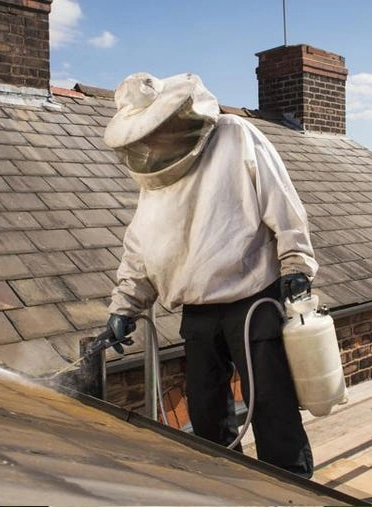
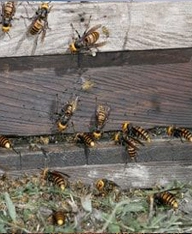
Pest technician carrying out identification and treatment Wasps near a nest entrance
Check firstbefore treatment

Identification Matters

Wasps and bees can look similar from a distance

Customers often call because they have insects entering a roofline, shed, wall cavity, garden feature or loft space and are not sure whether they are looking at wasps or bees. The right advice depends on what is actually there.

Wasps can usually be treated when they are causing a problem around people or property. Honey bees are different and are normally not destroyed by pest control technicians. If you are unsure, the safest first step is to observe from a distance and ask for advice.

Do not block the entry point, spray random products or disturb a visible nest until you are confident what you are dealing with.

Waspssmooth and sharper looking
Beesoften rounder and furry
Unsure?ask before treatment

Main Differences

How wasps and bees often differ

Identification is not always perfect from a quick glance, but these clues can help you describe what you are seeing when you call.

Wasps

Wasps are usually brighter, smoother and more sharply defined. They often fly in a more direct line and may repeatedly use the same entry point into a roofline, cavity, shed, hedge or garden area.

If the nest is disturbed, wasps can become defensive quickly. Keep away from the flight path and do not try to remove a live nest yourself.
Bees

Bees can look rounder and slightly furry, with a less glossy appearance. Honey bees are important pollinators and are usually handled differently to wasps.

If you think you have honey bees, a beekeeper may be more suitable than a wasp treatment. If you cannot tell, ask for advice before taking action.

Behaviour Clues

Watch the flight path

The repeated movement can tell you a lot. Wasps often use a clear, direct route into one gap. Bees may appear more rhythmic or clustered depending on the species and situation. You do not need to get close; watching from a safe distance is enough.

One entry pointOften useful for wasp nests.
Rounder insectsCould suggest bees.
Do not block holesIt can make either issue worse.
Ask firstEspecially if you are unsure.

What To Tell Us

Useful details when asking for identification advice

A short description can help decide the next step. You do not need to handle or disturb the insects to gather information.

01Describe the appearanceBright and smooth, furry and round, large, small, black and yellow, brownish or another description.
02Describe the movementDirect flight into one hole, hovering, clustering, crawling over a nest or appearing inside a room.
03Describe the locationRoofline, wall, shed, garden, tree, hedge, loft, air brick, floor void or business entrance.

Safe First Steps

Keep away from the activity until you know what it is

The safest first step is to avoid disturbing the insects and keep people away from the flight path. If they are near a doorway, patio, children, pets, staff or customers, get advice sooner rather than later.

  • Watch from a safe distance only.
  • Note where insects are entering and leaving.
  • Do not spray until identification is clearer.
  • Do not seal holes or trap insects inside.

Identification FAQ

Bee or wasp questions

Can you kill bees?

Honey bees are normally not destroyed by pest control technicians. If you have honey bees, a beekeeper may be more suitable. If you are unsure, ask for advice before any treatment.

Are wasps brighter than bees?

Wasps are usually smoother and more sharply marked, while bees can look rounder and slightly furry. There are exceptions, so behaviour and location also matter.

What if I cannot tell from a distance?

Do not disturb the insects. Describe the appearance, movement and entry point when you call, or send details through the contact page.

STP Pest Control vehicles
Need advice? Tell us what you can see before anyone treats the area

Still unsure?

Ask before spraying or blocking the entry point

Good identification helps avoid the wrong treatment and reduces the chance of making the problem worse.