Rooflines and wall cavities
Wasps often enter through gaps around fascia boards, soffits, roof tiles, air bricks, vents, pipework or damaged mortar. The nest may sit behind the visible entry point and should not be sealed before treatment.

Wasp Nest Removal
Practical treatment for active wasp nests around homes, gardens, rooflines, sheds, loft spaces and business premises.
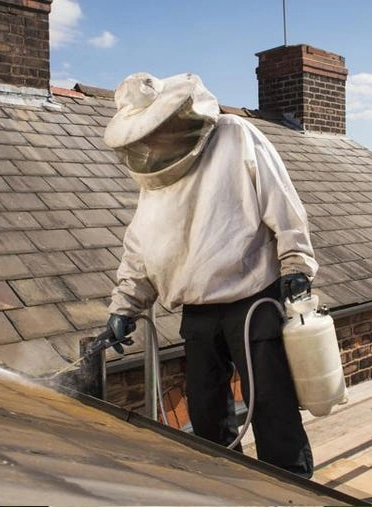
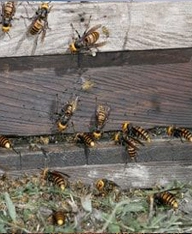
Nest Treatment
A wasp nest is not always visible. In many cases the colony is hidden inside a roof space, wall cavity, shed, garage, hedge, loft void or under a tile. What customers normally notice first is repeated wasp traffic moving in and out of the same hole or gap.
STP Wasp Control deals with active wasp nests by identifying the entry point, considering who may be affected and choosing the safest practical treatment route. The aim is to treat the active colony without unnecessarily disturbing the nest or pushing wasps further into the property.
If the nest is close to a door, window, pathway, garden seating area, children, pets, tenants, staff or customers, it is best to get advice rather than trying to spray or block the entrance yourself.
Common Nest Locations
Every property is different, but most callouts fall into a few common areas. You do not need to expose the nest. Just note where the wasps are entering from a safe distance.
Wasps often enter through gaps around fascia boards, soffits, roof tiles, air bricks, vents, pipework or damaged mortar. The nest may sit behind the visible entry point and should not be sealed before treatment.
Sheds, garages, fence lines, compost areas, bushes, garden furniture and play areas can all become problem areas when wasps build nearby or start crossing regular footpaths.
Important Advice
Blocking the entry point before treatment can make the problem worse. Wasps may search for another route, become more defensive or enter the building internally. It is usually better to leave the entrance open until the nest has been treated.
Treatment Process
The technician looks for the safest practical treatment point. The visible nest does not always need to be removed, especially when it is hidden inside a cavity or difficult to access while active.
After Treatment
For the first few hours after treatment, wasps may appear more active because returning workers are trying to enter the treated area. Keep windows and doors near the treatment point closed where possible and avoid standing close to the flight path.
Most nests settle within 24 hours, but allowing up to 48 hours is sensible. If the same nest in the same area remains active after the advised period, contact us for further advice.
Book Wasp Nest Treatment
Active wasp nest?
The entry point is usually the most useful information. Call or send the details and we can advise the safest next step.